The importance of seamlessly integrated patient monitoring in modern hospital environments
20. April 2026
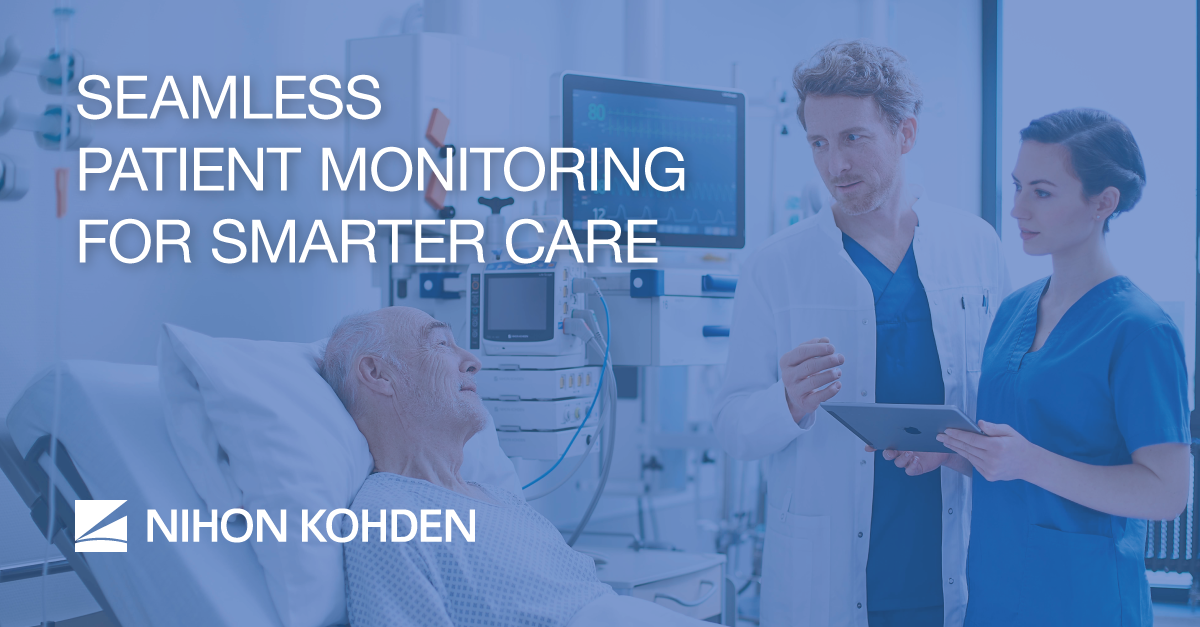
In today’s rapidly evolving healthcare landscape, hospitals face increasing pressures to deliver higher-quality care while managing limited resources, rising patient volumes, and complex clinical pathways. Against this backdrop, seamlessly integrated patient monitoring systems have emerged as a foundational element of modern clinical environments. Their importance extends far beyond simply recording vital signs—they enhance clinical decision‑making, safeguard patient safety, streamline workflows, and create the digital infrastructure necessary for efficient, proactive care.
1. Enhancing real-time clinical awareness
Continuous, integrated monitoring ensures that clinicians have immediate access to a patient’s vital parameters—heart rate, oxygen saturation, respiratory rate, blood pressure, and more—without the delays of manual measurements or device incompatibility. When monitoring systems are interoperable across departments and devices, the clinical picture becomes clearer and more reliable.
This real-time awareness enables early detection of deterioration, allowing teams to intervene before mild symptoms escalate into severe complications. Conditions such as sepsis, respiratory failure, or cardiac events often present subtle early signs. Integrated monitoring translates these signals into actionable alerts, reducing risk and improving patient outcomes.
2. Reducing cognitive load on healthcare staff
Nurses and physicians frequently juggle multiple data streams—paper notes, standalone devices, electronic charts, and alarms. Poorly integrated systems force clinicians to interpret fragmented information, increasing cognitive burden and the potential for human error.
Seamless integration alleviates this pressure by:
- Automatically capturing measurements into electronic health records
- Providing unified dashboards for patient data
- Reducing redundant manual documentation
- Filtering alarms to reduce false positives
As a result, clinicians spend less time managing devices and paperwork and more time engaging in direct patient care. This improves efficiency, satisfaction, and the quality of clinical decisions.
3. Supporting efficient and coordinated workflows
Hospitals operate as complex ecosystems where multiple teams must coordinate rapidly. Integrated monitoring systems act as the connective tissue between units—ICU, emergency, step‑down, surgery, and general wards—ensuring information flows where it is needed.
Key workflow improvements include:
- Streamlined patient handovers with consistent, complete data
- Smoother transitions between care units
- Improved resource planning, including bed allocation and staffing
- Automated escalation pathways based on patient status
These enhancements not only speed up care but also reduce operational bottlenecks and improve the overall patient experience.
4. Enabling data-driven, predictive healthcare
Modern hospitals increasingly rely on analytics, AI, and machine learning to anticipate risk, optimize treatment, and improve outcomes. High‑quality, integrated monitoring systems create the continuous data streams required to feed these advanced tools.
Predictive capabilities built on integrated monitoring support:
- Early warning scores for deterioration
- Risk assessments for ICU transfer
- Personalized treatment adjustments
- Better long‑term planning and population health insights
By transforming raw data into predictive intelligence, hospitals shift from reactive care to proactive, prevention-focused models.
5. Enhancing patient safety through standardization and automation
Patient safety depends on standard processes, accurate data, and fast communication. Disconnected monitoring systems often lead to data silos, transcription errors, and delayed responses. A seamlessly integrated environment minimizes these risks by ensuring that every measurement is recorded, transmitted, and acted upon according to standardized protocols.
Automation of safety-critical functions—such as alarm escalation, drug‑dose adjustments, or rapid response activation—further strengthens the hospital’s safety net.
6. Improving patient experience and comfort
Integrated systems reduce the visual and physical clutter of multiple standalone monitors and cables, creating a calmer environment for patients (alarm reduction). They also lower the frequency of unnecessary interruptions caused by false alarms or repeated manual checks. Patients benefit not only from better clinical outcomes but also from a smoother, more dignified hospital stay.
Seamlessly integrated patient monitoring is not simply a technological upgrade—it is a strategic necessity for modern healthcare delivery. By enhancing situational awareness, reducing clinician workload, streamlining workflows, enabling predictive analytics, and strengthening patient safety, integrated monitoring serves as a cornerstone of efficient, high‑quality hospital operations. As hospitals continue to evolve toward smarter, data‑driven ecosystems, the integration of patient monitoring systems will remain essential to providing timely, accurate, and compassionate care.